
Introduction
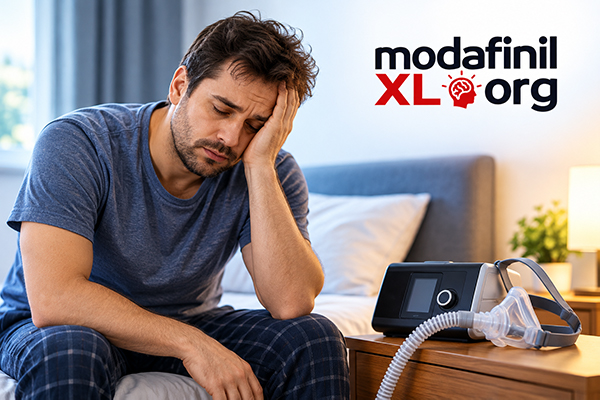
Starting CPAP treatment is often an important step toward better sleep for people diagnosed with obstructive sleep apnea (OSA). Many patients expect to wake up feeling refreshed, experience more energy throughout the day, and finally overcome the exhaustion that has affected their daily lives.
However, the experience is not always that straightforward.
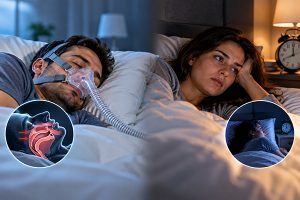
Some people continue to feel tired even after using their CPAP machine regularly. They may sleep for seven or eight hours, follow their prescribed treatment, and still struggle with morning fatigue, difficulty concentrating, or an overwhelming urge to nap during the day.
This can be frustrating, especially when CPAP treatment appears to be working.
The good news is that persistent tiredness does not automatically mean CPAP therapy has failed. Several factors can contribute to ongoing fatigue, including sleep quality, treatment effectiveness, other medical conditions, and lifestyle habits.
Understanding these factors can help patients identify possible causes and discuss appropriate solutions with their healthcare providers.
How Does CPAP Treatment Help Sleep Apnea?
Continuous Positive Airway Pressure (CPAP) therapy is one of the most commonly prescribed treatments for obstructive sleep apnea.
Sleep apnea occurs when the upper airway repeatedly becomes blocked during sleep, causing breathing interruptions or reduced airflow. These events can disrupt normal sleep patterns and contribute to excessive daytime sleepiness.
A CPAP machine delivers a continuous stream of pressurised air through a mask, helping keep the airway open while a person sleeps.
When properly adjusted and used consistently, CPAP therapy can:
- Reduce breathing interruptions during sleep.
- Improve nighttime oxygen levels.
- Decrease snoring associated with airway obstruction.
- Reduce sleep fragmentation caused by respiratory events.
- Improve daytime alertness and overall sleep quality.
However, treating breathing interruptions does not guarantee that every patient will immediately experience complete relief from fatigue.
1. The Body May Need Time to Recover From Poor Sleep
One possible reason for feeling tired after starting CPAP therapy is that improvements in daytime alertness can take time.
People with untreated sleep apnea may experience repeated sleep interruptions for months or even years before receiving a diagnosis.
Although CPAP can begin reducing breathing disturbances from the first night, improvements in daytime symptoms may develop gradually.
Some patients notice a difference within days or weeks, while others require longer periods of consistent treatment.
Individual recovery experiences depend on factors such as the severity of sleep apnea, existing sleep debt, treatment adherence, and other health conditions.
If tiredness continues, patients should avoid assuming that they simply need more time. A follow-up assessment can help determine whether CPAP therapy is providing adequate treatment.
2. CPAP Mask Leaks May Affect Treatment Effectiveness
A poorly fitting CPAP mask is a common reason treatment may not work as effectively as expected.
If air escapes around the mask, the prescribed pressure may not be delivered consistently enough to control breathing events.
Mask leaks may also cause discomfort, dryness, noise, or repeated awakenings.
Common warning signs include waking with a dry mouth, noticing air blowing toward the eyes, or frequently adjusting the mask during the night.
Patients experiencing these problems should discuss mask fitting, cushion replacement, humidification, or alternative mask styles with their sleep care provider.
A comfortable, properly fitted mask can make consistent CPAP use easier.
3. Residual Sleep Apnea Events May Still Occur
Using a CPAP machine does not necessarily mean every breathing disturbance has been eliminated.
Some patients continue to experience respiratory events despite treatment. This may happen because of inadequate pressure settings, significant mask leaks, positional changes, or other breathing-related conditions.
Many CPAP machines provide information about the apnea-hypopnea index (AHI), which estimates the number of breathing disturbances occurring per hour.
Reviewing treatment data can help healthcare providers assess whether CPAP is adequately controlling sleep apnea.
However, machine-reported AHI is only an estimate and does not capture every possible sleep problem.
Patients should avoid changing prescribed pressure settings without professional guidance.
4. Insufficient Sleep Duration Can Cause Ongoing Fatigue
CPAP therapy helps improve breathing during sleep, but it cannot compensate for consistently getting too little sleep.
For example, someone using CPAP for five hours each night may still experience daytime tiredness because their overall sleep duration is insufficient.
Most adults require approximately seven to nine hours of sleep, although individual needs vary.
Irregular work schedules, late-night screen use, stress, and frequent nighttime awakenings can also interfere with healthy sleep.
Maintaining a consistent bedtime, creating a comfortable sleeping environment, and allowing enough time for rest may help improve daytime energy.
5. Other Health Conditions May Contribute to Tiredness
Not every case of fatigue in a person with sleep apnea is directly related to breathing problems.
Conditions such as depression, thyroid disorders, anemia, and certain medication side effects can contribute to ongoing tiredness.
Other sleep disorders, including restless legs syndrome, insomnia, and narcolepsy, may also affect sleep quality and daytime alertness.
It is important to distinguish between fatigue and excessive daytime sleepiness. Fatigue generally involves reduced energy or exhaustion, while excessive sleepiness involves difficulty staying awake.
This distinction helps healthcare professionals identify appropriate investigations and treatments.
The American Academy of Sleep Medicine recognises excessive sleepiness as an important health concern that deserves proper evaluation.
6. Some Patients Experience Residual Excessive Daytime Sleepiness
Even when CPAP treatment successfully controls breathing interruptions, some patients continue experiencing excessive daytime sleepiness.
This condition is commonly described as residual excessive daytime sleepiness (residual EDS).
Researchers have investigated why this occurs. Possible explanations include other unrecognised sleep problems, insufficient sleep, coexisting medical conditions, and potentially lasting effects of previously untreated sleep apnea.
A clinical review published in Chest explains that persistent sleepiness can remain despite effective treatment of obstructive sleep apnea and requires a structured medPubMed
Can Mafinil Help With Residual Sleepiness?
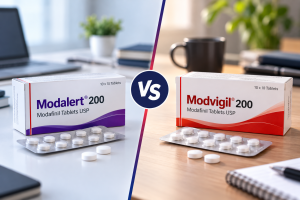
For selected patients, healthcare professionals may consider prescription wakefulness-promoting medicines such as modafinil, the active ingredient in Modalert.
Clinical studies have found that modafinil can improve wakefulness in some patients experiencing persistent sleepiness despite regular CPAP use.
However, modafinil does not correct airway obstruction or replace CPAP therapy.
Before considering medication, doctors should evaluate CPAP effectiveness, sleep duration, other sleep disorders, and possible medical causes.
Modafinil also carries potential risks, including headaches, anxiety, drug interactions, and rare serious skin reactions. It should only be used under appropriate medical supervision.
7. How to Improve Energy Levels While Using CPAP
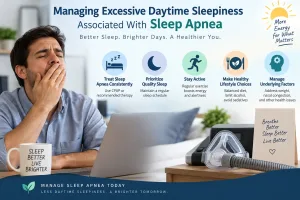
If you continue feeling exhausted despite treatment, several practical steps may help.
First, use your CPAP machine consistently throughout every sleep period, including naps.
Second, ask your sleep specialist to review your machine’s usage records, mask leaks, and residual breathing events.
Third, maintain healthy sleep habits. Regular exercise, consistent sleep schedules, and limiting alcohol may support better sleep quality.
Finally, arrange a medical assessment if fatigue continues despite apparently effective treatment.
The National Heart, Lung, and Blood Institute recommends regular follow-up appointments to ensure sleep apnea treatment remains effective.
Frequently Asked Questions
Is it normal to feel tired after starting CPAP?
Some patients experience ongoing tiredness during the initial adjustment period. However, persistent or worsening symptoms should be discussed with a healthcare professional.
How long does CPAP take to improve daytime energy?
Some people notice improvements within days or weeks, while others experience more gradual changes. There is no universal recovery timeline.
Why am I still sleepy if my CPAP AHI is low?
A low machine-reported AHI is encouraging but does not guarantee restorative sleep. Insufficient sleep, medication effects, other sleep disorders, and medical conditions may still contribute.
Can I stop CPAP if I feel better?
Patients should not discontinue prescribed CPAP therapy simply because their symptoms improve. Speak with your sleep specialist before changing treatment.
Conclusion
Feeling tired after CPAP treatment does not necessarily mean the therapy is ineffective.
Persistent fatigue may result from mask leaks, insufficient sleep, residual breathing disturbances, other medical conditions, or residual excessive daytime sleepiness.
The most useful next step is to identify the underlying cause rather than simply trying to stay awake with caffeine or medication.
With appropriate CPAP adjustments, healthy sleep habits, and professional evaluation, many patients can improve their sleep quality and daytime functioning.
Effective sleep apnea management is not just about breathing better at night. It is also about feeling healthier, safer, and more alert during the day.
Medical References and Trusted Sources
These sources can be included as external links in the ModafinilXL.org article to support medical accuracy and E-E-A-T.
- National Heart, Lung, and Blood Institute — Sleep Apnea Treatment
- NHLBI — CPAP Therapy and Benefits
- PubMed — Residual Excessive Daytime Sleepiness in Treated Sleep Apnea
- American Academy of Sleep Medicine — Clinical Significance of Sleepiness
- PubMed — Modafinil as Adjunct Therapy for Daytime Sleepiness in OSA


Add comment