
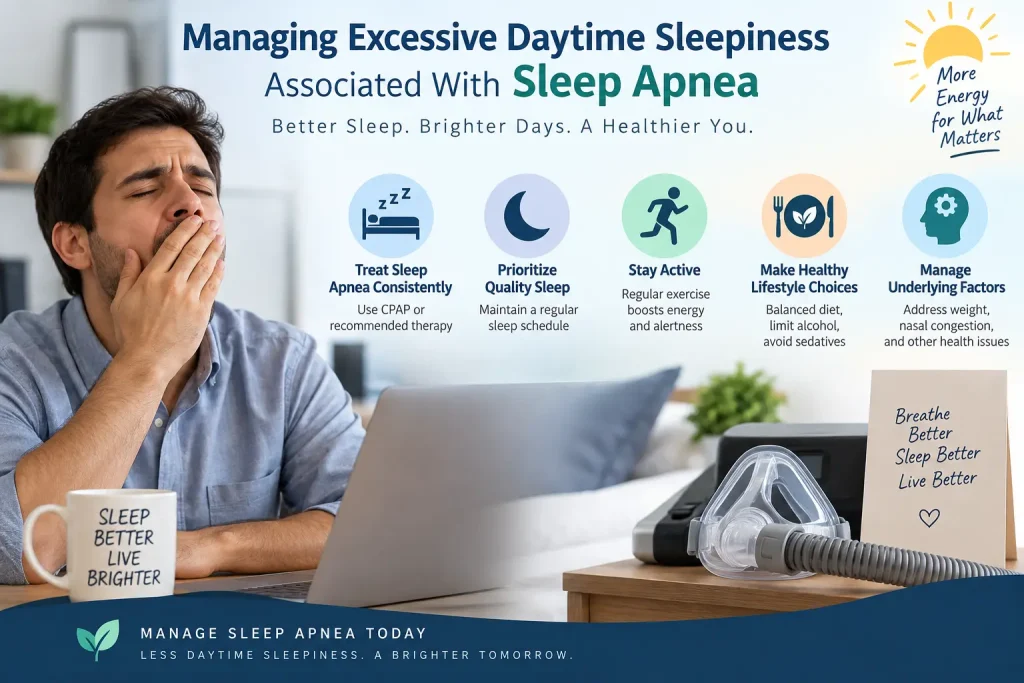
Sleep apnea is a common sleep disorder characterized by repeated interruptions in breathing during sleep. These interruptions, known as apneas, can last from a few seconds to over a minute and often lead to fragmented sleep and reduced oxygen levels in the blood. The most prevalent form is obstructive sleep apnea (OSA), which occurs when the muscles that support the soft tissues in the throat temporarily relax, blocking the airway. Central sleep apnea (CSA), less common, involves the brain’s failure to send proper signals to the muscles that control breathing. Regardless of type, sleep apnea can significantly impact an individual’s health, leading to daytime fatigue, cardiovascular issues, and diminished quality of life.
Traditional Treatment Approaches
The primary treatment for sleep apnea is Continuous Positive Airway Pressure (CPAP) therapy, which involves wearing a mask that delivers a steady stream of air to keep the airway open during sleep. While highly effective, many patients find CPAP devices uncomfortable or inconvenient, leading to poor adherence. Alternative treatments include oral appliances, weight management, positional therapy, and, in some cases, surgery. Despite these options, some patients continue to experience residual symptoms such as excessive daytime sleepiness (EDS), which can impair daily functioning and increase accident risk.
The Role of Excessive Daytime Sleepiness in Sleep Apnea
One of the hallmark symptoms of untreated sleep apnea is EDS. Even after successful treatment of airway obstruction, some individuals continue to experience persistent sleepiness. This residual EDS can be due to disrupted sleep architecture, neurochemical alterations, or other comorbid conditions. Managing EDS is crucial because it affects alertness, cognitive function, and overall safety, especially in tasks such as driving or operating machinery.
Introduction to Modafinil
Modafinil is a wakefulness-promoting agent approved by the U.S. Food and Drug Administration (FDA) primarily for narcolepsy, shift work sleep disorder, and excessive daytime sleepiness associated with obstructive sleep apnea. Unlike traditional stimulants such as amphetamines, modafinil has a unique mechanism of action, which involves increasing the levels of certain neurotransmitters like dopamine, norepinephrine, and histamine in the brain. It is known for producing alertness without the pronounced jitteriness or euphoria associated with other stimulants.
Mechanism of Action and Pharmacology
Modafinil’s precise mechanism remains not fully understood, but it primarily acts on the central nervous system by inhibiting the reuptake of dopamine, leading to increased dopaminergic activity. It also influences other neurotransmitter systems, including norepinephrine, serotonin, orexin, and histamine, contributing to its wakefulness-promoting effects. Its relatively favorable side effect profile and low potential for abuse have made it a popular choice for managing sleepiness.
Use of Modafinil in Sleep Apnea
While CPAP remains the gold standard for treating sleep apnea, many patients continue to experience residual daytime sleepiness even after effective airway management. In such cases, clinicians may consider pharmacological options like modafinil to improve alertness and quality of life.
Efficacy of Modafinil
Clinical studies have demonstrated that modafinil can significantly reduce EDS in patients with OSA who are adherent to CPAP therapy but still experience sleepiness. For example, randomized controlled trials have shown improvements in measures like the Epworth Sleepiness Scale (ESS), a subjective assessment of daytime sleepiness, following modafinil treatment. Patients often report increased alertness, improved concentration, and better overall functioning.
Safety and Side Effects
Modafinil is generally well tolerated, but like all medications, it can cause side effects. Common adverse effects include headache, nausea, nervousness, insomnia, and dry mouth. Serious but rare side effects involve allergic reactions, skin rashes, or psychiatric symptoms such as anxiety or agitation. Because it influences neurotransmitter systems, it should be used cautiously in individuals with a history of psychiatric disorders.
Precautions and Considerations
Prior to prescribing modafinil, clinicians evaluate the patient’s overall health, medication interactions, and potential contraindications. Notably, modafinil may increase blood pressure and heart rate, so blood pressure monitoring is advisable. It is also vital to emphasize that pharmacological treatment of EDS should complement, not replace, primary therapies like CPAP. Patients should be counseled on the importance of adherence to airway management strategies.
Regulatory Status and Usage Guidelines
In the United States, modafinil is classified as a Schedule IV controlled substance, indicating a potential for misuse but lower than schedules I-III. Its use for sleep apnea-related EDS is considered off-label in some regions, but it is widely accepted based on clinical evidence. Guidelines recommend its use as part of a comprehensive treatment plan under medical supervision.
Emerging Research and Future Directions
Research continues to explore novel pharmacological options for sleep apnea and its residual symptoms. Newer wakefulness-promoting agents and combination therapies are under investigation. Additionally, understanding individual variability in response to medications like modafinil may lead to more personalized treatment approaches.
Conclusion
Modafinil offers a valuable option for managing excessive daytime sleepiness in patients with sleep apnea, particularly when traditional therapies do not fully alleviate sleepiness. Its ability to promote wakefulness without significant abuse potential makes it an attractive choice in appropriate cases. However, it must be used judiciously, with careful monitoring and as part of a comprehensive treatment strategy that includes airway management and lifestyle modifications. As ongoing research sheds more light on its optimal use, modafinil may continue to play a significant role in improving the lives of those affected by sleep apnea.