
Introduction
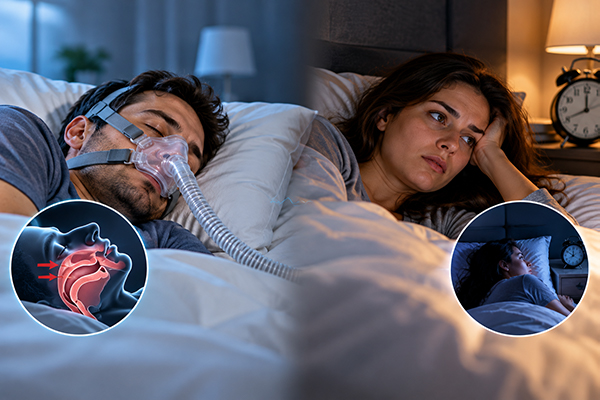
Have you ever spent an entire night in bed only to wake up feeling as though you barely slept? Perhaps you struggle to fall asleep, wake up repeatedly during the night, or feel exhausted even after getting what seems like a full eight hours of rest.
These experiences are common among people with sleep disorders, particularly sleep apnea and insomnia.
Although both conditions interfere with healthy sleep, they are not the same. Insomnia primarily involves difficulty falling asleep, staying asleep, or returning to sleep after waking. Sleep apnea, on the other hand, involves repeated interruptions in breathing during sleep.
The confusing part is that both conditions can leave people feeling tired, irritable, and unable to concentrate during the day.
Understanding the differences between sleep apnea and insomnia is important because each condition requires a different approach to diagnosis and treatment.
This guide explains their symptoms, causes, and treatment options, along with the warning signs that suggest it may be time to consult a sleep specialist.
What Is Sleep Apnea?
Sleep apnea is a sleep-related breathing disorder characterised by repeated pauses or reductions in breathing during sleep.
The most common form is obstructive sleep apnea (OSA), which occurs when muscles in the upper airway relax and the airway becomes partially or completely blocked.
These interruptions can reduce oxygen levels and cause brief awakenings that disrupt normal sleep patterns.
Many people with sleep apnea are unaware that their breathing repeatedly stops during the night.
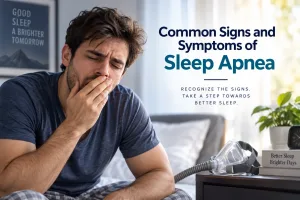
Common symptoms include loud snoring, gasping or choking during sleep, morning headaches, dry mouth, excessive daytime sleepiness, and difficulty concentrating.
A person may spend eight hours in bed but still experience poor-quality sleep because of repeated breathing disturbances.
Sleep apnea can affect people of different ages and body types, although factors such as obesity, airway anatomy, age, and certain medical conditions can increase the risk.
What Is Insomnia?
Insomnia is a sleep disorder involving persistent difficulty falling asleep, staying asleep, or returning to sleep after waking, despite having adequate opportunity to sleep.
Unlike sleep apnea, insomnia is not primarily caused by blocked breathing.
Someone experiencing insomnia may lie awake for hours, wake up several times during the night, or wake much earlier than intended.
Common symptoms include difficulty initiating sleep, frequent nighttime awakenings, early morning awakening, daytime fatigue, irritability, and reduced concentration.
Insomnia can be short-term or chronic. Chronic insomnia is generally diagnosed when sleep difficulties occur at least three nights per week for three months or longer and cause daytime impairment.
Stress, anxiety, irregular sleep schedules, medical conditions, and certain medications can contribute to insomnia.
However, insomnia can also persist independently of an obvious trigger.
Sleep Apnea vs Insomnia: Key Differences
Although both conditions interfere with restorative sleep, their underlying mechanisms are different.
| Feature | Sleep Apnea | Insomnia |
| Primary problem | Repeated breathing interruptions | Difficulty initiating or maintaining sleep |
| Common nighttime symptoms | Snoring, gasping, breathing pauses | Difficulty falling asleep, prolonged awakenings |
| Daytime effects | Sleepiness, fatigue, poor concentration | Fatigue, mood changes, concentration problems |
| Main causes | Airway obstruction or breathing-control problems | Multiple psychological, behavioural and medical factors |
| Diagnosis | Sleep study or appropriate home sleep apnea testing | Clinical sleep history and assessment |
| Common treatments | CPAP, oral appliances, selected other treatments | Cognitive behavioural therapy for insomnia (CBT-I) |
| Can both occur together? | Yes | Yes |
One particularly important difference is that people with insomnia are often aware of being awake during the night, while those with sleep apnea may not realise their breathing is repeatedly interrupted.
However, this distinction is not absolute. Sleep apnea can also cause noticeable nighttime awakenings.
Can You Have Sleep Apnea and Insomnia at the Same Time?
Yes. Some people experience both conditions simultaneously, a situation known as comorbid insomnia and sleep apnea (COMISA).
For example, a person may struggle to fall asleep because of insomnia and then experience repeated breathing interruptions once asleep.
This combination can make sleep problems particularly difficult to manage. Someone may receive CPAP treatment for sleep apnea but continue experiencing insomnia-related symptoms.
Research published in Sleep and Breathing in 2025 discusses the challenges of treating patients with both disorders and the role of cognitive behavioural therapy for insomnia.
Recognising both conditions is important because treating only one may not resolve every sleep-related complaint.
How Are Sleep Apnea and Insomnia Diagnosed?
Sleep specialists use different approaches depending on the symptoms.
For suspected sleep apnea, a doctor may recommend an overnight sleep study, also called polysomnography, or a home sleep apnea test for appropriately selected patients. These tests help identify breathing interruptions, oxygen changes, and other sleep-related measurements.
Insomnia is generally diagnosed through a clinical assessment of sleep patterns, medical history, and daytime symptoms. A doctor may ask patients to maintain a sleep diary for one or two weeks.
A sleep study is not routinely required for uncomplicated insomnia, but it may be recommended when another sleep disorder is suspected.
The National Heart, Lung, and Blood Institute provides additional guidance on diagnosing sleep apnea.
Treatment Options: Sleep Apnea vs Insomnia
Treatment depends on the underlying condition rather than fatigue alone.
Treatment for Sleep Apnea
Continuous Positive Airway Pressure (CPAP) therapy is a common treatment for obstructive sleep apnea. It delivers pressurised air through a mask to help prevent airway collapse during sleep.
Other options may include oral appliances, weight management when appropriate, positional therapy, or selected surgical procedures.
The appropriate treatment depends on the severity of the disorder and the patient’s individual medical circumstances.
Treatment for Insomnia
For chronic insomnia, cognitive behavioural therapy for insomnia (CBT-I) is generally recommended as the first-line treatment.
CBT-I helps people change thoughts and behaviours that interfere with healthy sleep. It may include stimulus control, relaxation techniques, sleep scheduling, and carefully supervised sleep restriction.
Sleeping medications may be appropriate in certain circumstances, but they require professional assessment because of potential side effects and dependency risks.
People with suspected sleep apnea should tell their healthcare provider before taking sedating medications.
The NHLBI insomnia treatment guide explains the recommended treatment approaches.
Can Modafinil Treat Sleep Apnea or Insomnia?
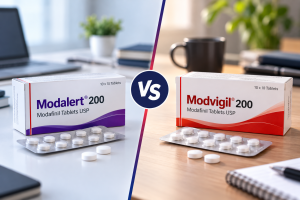
Modafinil is a prescription wakefulness-promoting medication used for certain conditions associated with excessive daytime sleepiness.
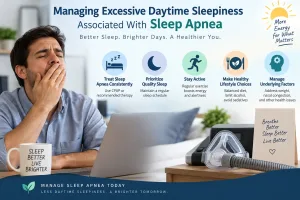
It may be prescribed to selected patients who continue experiencing excessive daytime sleepiness despite effective treatment of obstructive sleep apnea.
However, modafinil does not treat the airway obstruction responsible for sleep apnea and is not a treatment for insomnia.
In fact, insomnia is a possible side effect of modafinil.
Patients should not use wakefulness-promoting medications as substitutes for proper sleep, CPAP treatment, or medical evaluation.
When Should You See a Sleep Specialist?
Occasional poor sleep is common, but persistent symptoms deserve attention.
Consider seeking professional evaluation if you experience frequent nighttime awakenings, loud snoring, gasping during sleep, ongoing difficulty falling asleep, or daytime sleepiness that interferes with work and daily activities.
A sleep specialist can help determine whether your symptoms are related to insomnia, sleep apnea, or a combination of both.
If you are excessively sleepy, avoid driving or operating dangerous machinery until the problem has been assessed and adequately managed.
Frequently Asked Questions
1. Which is more serious, sleep apnea or insomnia?
Both conditions can significantly affect health and quality of life. Untreated sleep apnea can contribute to cardiovascular problems, while chronic insomnia is associated with mental and physical health difficulties. Severity depends on the individual.
2. Can sleep apnea feel like insomnia?
Yes. Sleep apnea can cause repeated awakenings, making it difficult to stay asleep. Some patients initially believe they have insomnia before discovering an underlying breathing disorder.
3. Does everyone with sleep apnea snore?
No. Although loud snoring is common, some people with sleep apnea do not snore noticeably. A lack of snoring does not rule out the condition.
4. Can CPAP cure insomnia?
CPAP may improve awakenings caused by breathing disturbances, but it does not necessarily resolve a separate insomnia disorder. Patients with both conditions may need additional treatment.
5. How can I tell which sleep disorder I have?
Symptoms can provide clues, but they cannot establish a reliable diagnosis. A healthcare professional can assess your sleep history and determine whether testing is necessary.
Conclusion
Sleep apnea and insomnia may produce similar symptoms, but they develop for different reasons.
Sleep apnea primarily affects breathing during sleep, while insomnia involves difficulty falling asleep, staying asleep, or obtaining satisfactory sleep despite adequate opportunity.
Both can contribute to fatigue, reduced concentration, mood changes, and poor daily functioning.
Understanding these differences can help people recognise warning signs and seek appropriate treatment.
Whether the problem involves interrupted breathing, difficulty sleeping, or both, identifying the underlying cause is the first step toward improving long-term sleep health.
Medical References and Trusted Sources
For publishing on ModafinilXL.org, the following references support the article’s medical information.



Add comment